Case Studies on Slot Game Innovation from Leading Software Developers in Licensed Environments
Geschrieben von Yves Brooks · 28.9.2026
Case Studies on Slot Game Innovation from Leading Software Developers in Licensed Environments
Leading software developers have introduced mechanical and thematic advancements in slot games within licensed jurisdictions across multiple continents, and these changes reflect ongoing adaptation to regulatory frameworks established by bodies such as the New Jersey Division of Gaming Enforcement and the Alcohol and Gaming Commission of Ontario. Research from industry reports indicates that providers have shifted focus toward cluster-pay systems and expanding reel configurations since the mid-2010s, while data from the Nevada Gaming Control Board shows continued growth in player engagement metrics tied to these features through 2025.
Mechanical Advancements in European Licensed Markets
One documented case involves a developer that expanded a popular series by integrating cascading reel mechanics with multiplier trails that activate during base gameplay, and this approach appeared in titles released for operators holding licenses from the Malta Gaming Authority. Observers note that similar systems appeared in subsequent releases from competing studios, which then incorporated elements like synchronized reel spins across multiple games within a single session. Figures from European trade associations reveal that such features contributed to measurable increases in session duration on platforms operating under those licenses.
North American Regulatory Influences on Game Design
Developers targeting markets regulated by the New Jersey Division of Gaming Enforcement have introduced progressive jackpot networks that link multiple titles across different operators, and these networks operate with real-time contribution tracking that complies with state audit requirements. A separate case study highlights the adoption of skill-based bonus rounds in slots, where player choices during mini-games influence payout potential without altering the certified random number generator outcomes. Reports compiled through 2025 indicate that these rounds have been tested extensively in Atlantic City venues, with results showing integration into existing slot floors alongside traditional reel games.
Asia-Pacific Developments and Cross-Border Licensing
Providers working in jurisdictions overseen by the Australian Communications and Media Authority have explored narrative-driven slot structures that unfold across sequential game releases, and these structures maintain compliance through predefined mathematical models submitted during certification. Data from academic reviews at institutions studying gaming technology shows that such storytelling layers correlate with extended play patterns when deployed in licensed online environments. By September 2026 additional studios had begun testing hybrid reel-and-grid layouts that allow players to switch between formats mid-session while remaining within the same licensed platform.
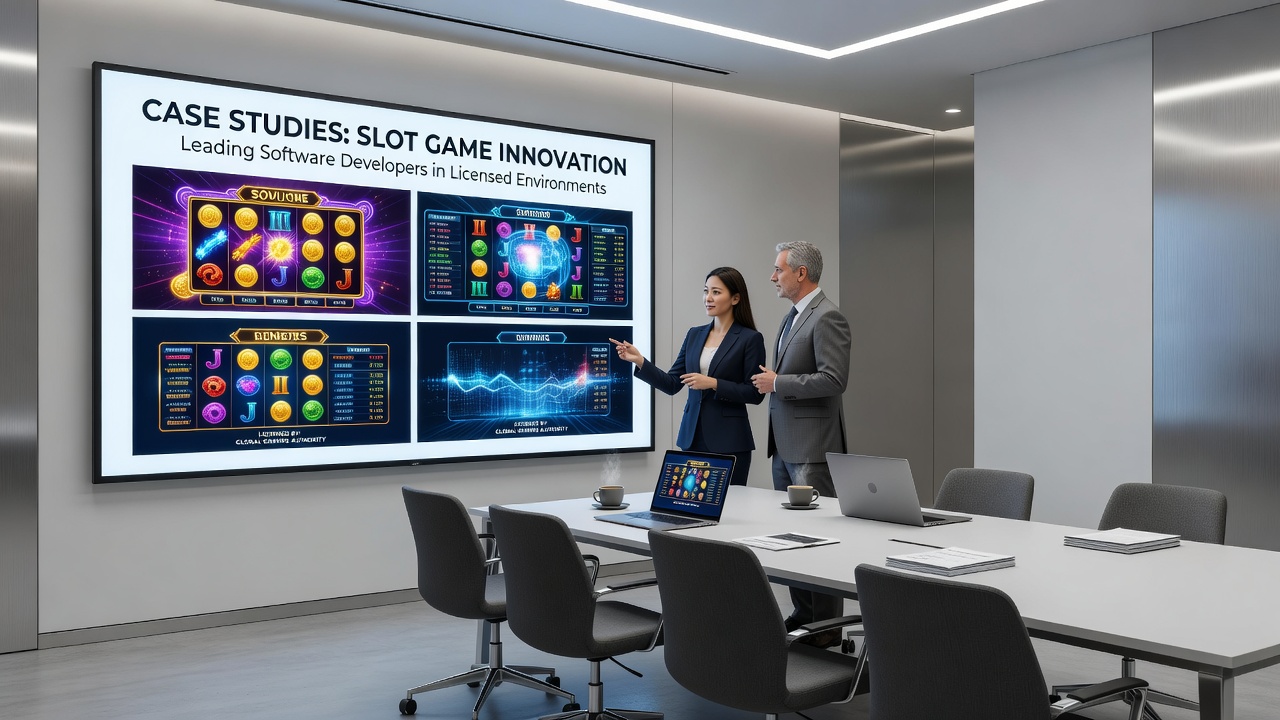
Integration of Certified Randomization with New Visual Technologies
Studies conducted by research teams at universities in Canada have examined how developers embed high-definition animations and 3D character models into games certified for play in Ontario and British Columbia, and these visual layers operate without affecting the underlying probability calculations. One case documented a developer that layered particle effects onto existing cluster mechanics, which then received approval after independent laboratory testing confirmed no deviation from submitted return-to-player percentages. Industry data indicates that such visual upgrades have appeared more frequently in games released after 2023 for operators holding multi-jurisdictional licenses.
Conclusion
Case studies across these regions demonstrate that slot game innovation continues to occur within the boundaries set by licensing authorities, with developers adapting mechanical and presentation elements to meet both technical certification standards and market expectations. Continued monitoring by regulatory bodies and academic researchers provides ongoing documentation of how these changes unfold in licensed settings.