Payment Innovations Powering No-Deposit Offers Across Licensed Mobile Table Games and Video Poker Platforms
Geschrieben von Mara Günther · 26.8.2026

Payment Innovations Powering No-Deposit Offers Across Licensed Mobile Table Games and Video Poker Platforms
Payment systems have evolved rapidly to support no-deposit offers on licensed mobile platforms that host table games and video poker, allowing players to access games without an initial financial commitment while operators maintain compliance and security standards. These innovations focus on instant verification, real-time processing, and reduced friction that align with regulatory requirements across multiple jurisdictions.
Understanding No-Deposit Structures in Mobile Gaming
Operators use no-deposit offers to attract users to mobile versions of table games such as blackjack and roulette along with video poker variants, and payment technologies enable verification steps that do not require upfront transfers. Data from regulatory filings shows that these structures rely on tokenization and digital wallet integrations to confirm player identity quickly, which supports instant play sessions on smartphones and tablets.
Researchers at academic institutions have documented how open banking protocols facilitate the process by linking bank accounts for background checks without moving funds, and this approach has gained traction in regions where licensing bodies emphasize consumer protection. In August 2026, several platforms are scheduled to roll out enhanced versions of these tools that incorporate biometric confirmations to further streamline access to promotional credits.
Core Payment Technologies Driving Accessibility
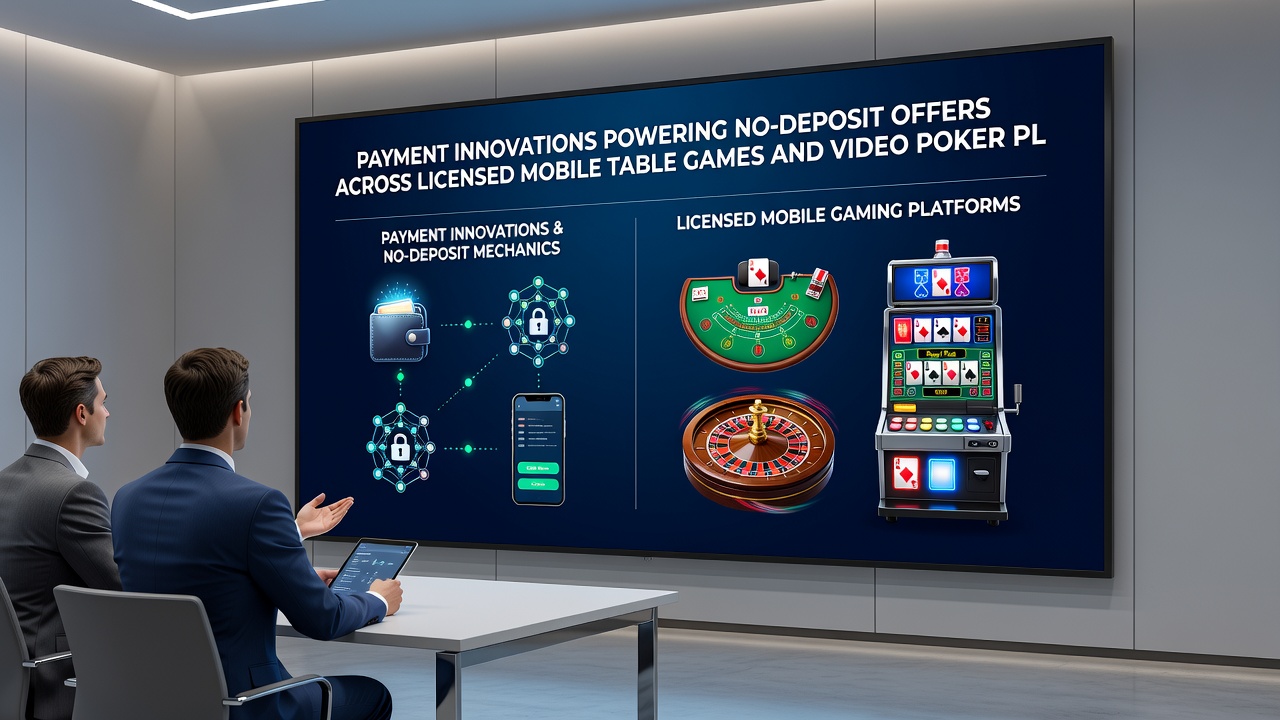
Digital wallets and instant bank verification services form the backbone of current no-deposit systems, and they connect directly to licensed operators through APIs that process authentication in seconds rather than minutes. Industry reports indicate that tokenization replaces sensitive card details with unique identifiers, which reduces exposure during mobile transactions and supports compliance with data protection rules in the United States and European markets.
Virtual prepaid instruments also play a role by generating temporary funding sources tied to verified accounts, and operators deploy these alongside video poker and table game interfaces to deliver bonus funds immediately after registration. Those who track industry trends note that partnerships between fintech firms and gaming companies have expanded these capabilities, particularly for instant-play formats that run in mobile browsers without downloads.
Regulatory Compliance and Geographic Variations
Licensing authorities in different regions set distinct rules for no-deposit promotions, and payment innovations must adapt to those frameworks to keep platforms operational. According to information from the New Jersey Division of Gaming Enforcement, operators must demonstrate robust verification methods before releasing promotional credits, which has accelerated adoption of real-time identity tools in mobile environments.
In Australia, research from the Australian Gambling Research Centre highlights how similar payment advancements support responsible gaming measures by allowing operators to monitor activity from the first session onward. Platforms licensed in these areas integrate the same underlying technologies for table games and video poker, ensuring that no-deposit offers remain available without compromising oversight.
Implementation Across Table Games and Video Poker
Mobile table games benefit from payment innovations through seamless transitions from registration to play, where systems confirm eligibility for bonuses using device-level authentication rather than traditional account funding. Video poker titles, which often require rapid decision cycles, gain from these efficiencies because players can engage with promotional credits almost immediately after verification completes.
Observers note that software providers have optimized game engines to recognize no-deposit balances in real time, and this integration prevents delays that previously affected user experience on smaller screens. Data compiled by trade associations shows steady growth in mobile sessions tied to these offers, particularly in jurisdictions that updated licensing standards in recent years to accommodate faster processing methods.
Future Developments Expected by Late 2026
Additional layers of security, including advanced encryption and AI-assisted fraud detection, are set to expand within no-deposit frameworks as operators prepare for new mobile launches scheduled around August 2026. These enhancements build on existing wallet and verification systems to maintain trust while broadening access to licensed table games and video poker content.
Payment service providers continue to refine cross-border capabilities that respect local licensing, which allows operators to serve users in multiple regions through unified mobile platforms without separate deposit requirements for initial access.
Conclusion
Payment innovations centered on verification speed, tokenization, and regulatory alignment continue to sustain no-deposit offers across licensed mobile platforms for table games and video poker. As these technologies mature, operators and regulators work together to balance player access with oversight, resulting in systems that support instant play while meeting compliance obligations in key markets.