Regulatory Shifts Driving Hybrid Payment Adoption in Licensed Live Dealer Video Poker Apps
Geschrieben von Amir Koch · 14.9.2026
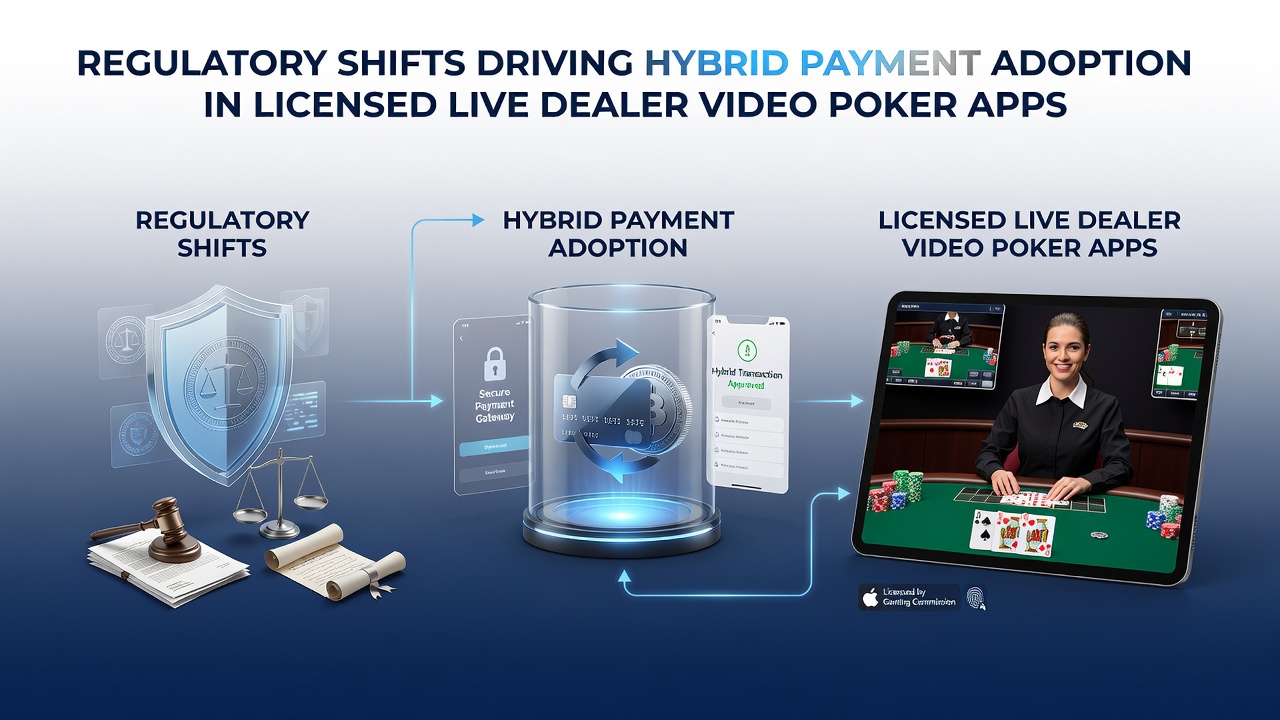
Regulatory Shifts Driving Hybrid Payment Adoption in Licensed Live Dealer Video Poker Apps
Regulatory changes across multiple jurisdictions have accelerated the integration of hybrid payment systems into licensed live dealer video poker applications, with new frameworks taking effect as early as September 2026 in several regions. These shifts require operators to combine traditional fiat methods with digital assets while maintaining strict compliance standards for player verification and transaction transparency. Data from industry monitoring bodies shows that jurisdictions in North America and parts of Europe have updated licensing conditions to accommodate such hybrids, resulting in broader platform compatibility for instant-play mobile environments.
Key Regulatory Developments Across Regions
Canadian provincial regulators introduced updated guidelines in late 2025 that permit hybrid transaction models for live dealer offerings, including video poker variants streamed in real time. These rules emphasize audit trails for both currency types and mandate that licensed apps display clear conversion rates at the point of deposit. Observers note that similar adjustments appeared in Australian state-level frameworks, where the focus shifted toward consumer protection measures that explicitly allow blended payment rails without disrupting existing responsible gaming protocols.
European authorities outside the United Kingdom have also revised their technical standards, requiring that any hybrid solution used in licensed video poker apps must route through approved payment processors capable of separating fiat and digital asset flows. This approach ensures that tax reporting and anti-money laundering checks remain intact regardless of the funding source chosen by the player.
How Hybrid Payments Align with Licensing Requirements
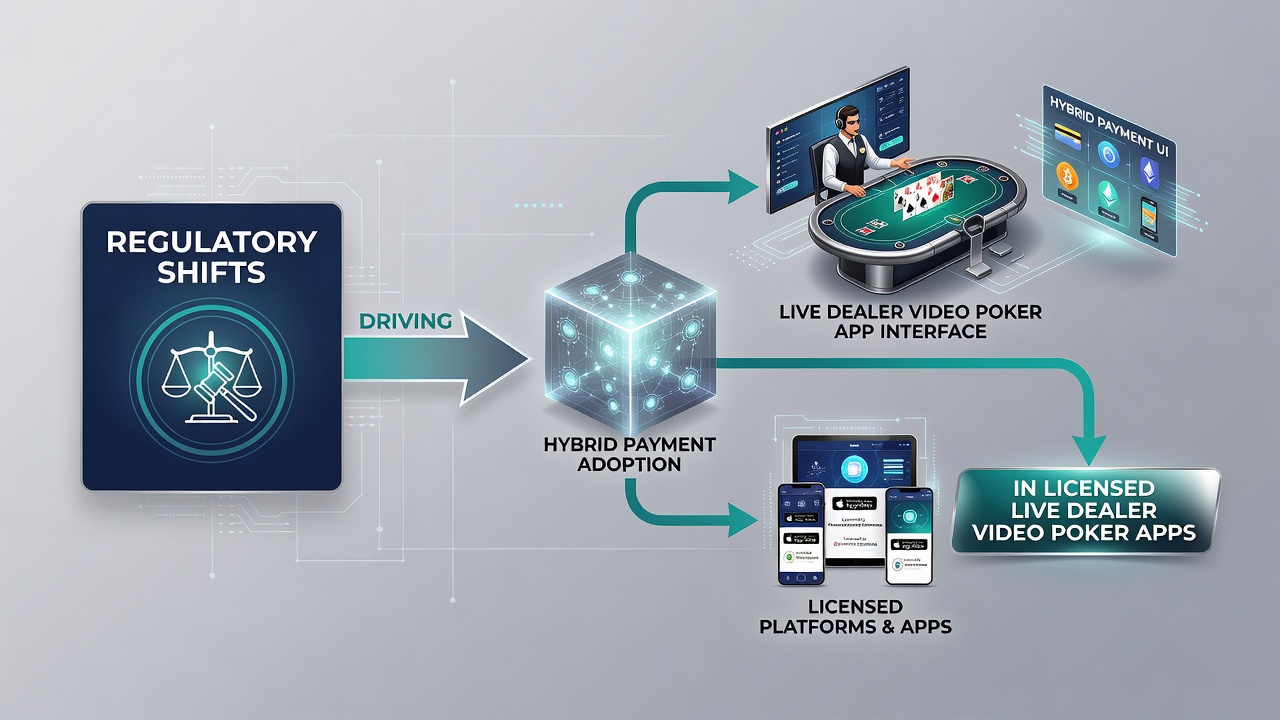
Licensed operators have responded by embedding hybrid wallets directly into live dealer video poker platforms, allowing seamless switches between local currencies and selected cryptocurrencies during active sessions. The structure supports no-deposit bonuses that convert automatically upon gameplay milestones, a feature now referenced in several regulatory compliance checklists effective from September 2026 onward. Research conducted by academic gaming studies groups indicates that such configurations reduce transaction friction while satisfying the multi-currency reporting obligations imposed by licensing authorities.
One documented case involved a North American operator that reconfigured its mobile instant-play video poker lobby to accept both card-based fiat deposits and stablecoin transfers through a single interface. Regulators in that jurisdiction later cited the implementation as meeting new interoperability standards, leading other license holders to adopt comparable systems.
Impact on Live Dealer Video Poker Platforms
Live dealer video poker apps have incorporated these hybrid features into their core architecture because regulatory language now ties payment flexibility to continued licensing eligibility. Providers must demonstrate that their systems can handle real-time reconciliation between payment types without interrupting the streamed dealer interaction. Industry reports compiled by international gaming associations reveal that platforms updated before the September 2026 deadlines experienced fewer compliance queries during routine audits.
Those who studied these transitions found that the technical requirements often center on API connections to multiple payment gateways, with built-in controls that flag unusual activity across currency types. This setup preserves the provably fair elements already embedded in many licensed video poker titles while expanding deposit options for players in regulated markets.
Compliance and Verification Protocols
Verification procedures have evolved alongside the payment changes, requiring licensed apps to apply the same identity checks whether a player funds an account through fiat channels or digital asset transfers. Government agencies in multiple Canadian provinces and select EU member states have published technical specifications that detail acceptable hybrid wallet integrations, including mandatory logging of conversion timestamps and exchange rates at the moment of each transaction.
Operators report that these protocols, once implemented, allow continued operation of live dealer streams without additional latency, since the payment layer operates separately from the game server. Figures released by research institutions tracking gambling technology adoption show steady growth in hybrid-enabled licenses issued during the first half of 2026.
Conclusion
Regulatory adjustments scheduled for implementation in September 2026 and beyond have established clear pathways for hybrid payment adoption within licensed live dealer video poker applications. Jurisdictions in North America, Australia, and parts of Europe have aligned their licensing conditions around transparency, verification, and interoperability standards that accommodate both fiat and digital asset flows. These developments continue to shape the technical requirements placed on mobile platforms, ensuring that compliance remains central to ongoing operations in regulated markets.